

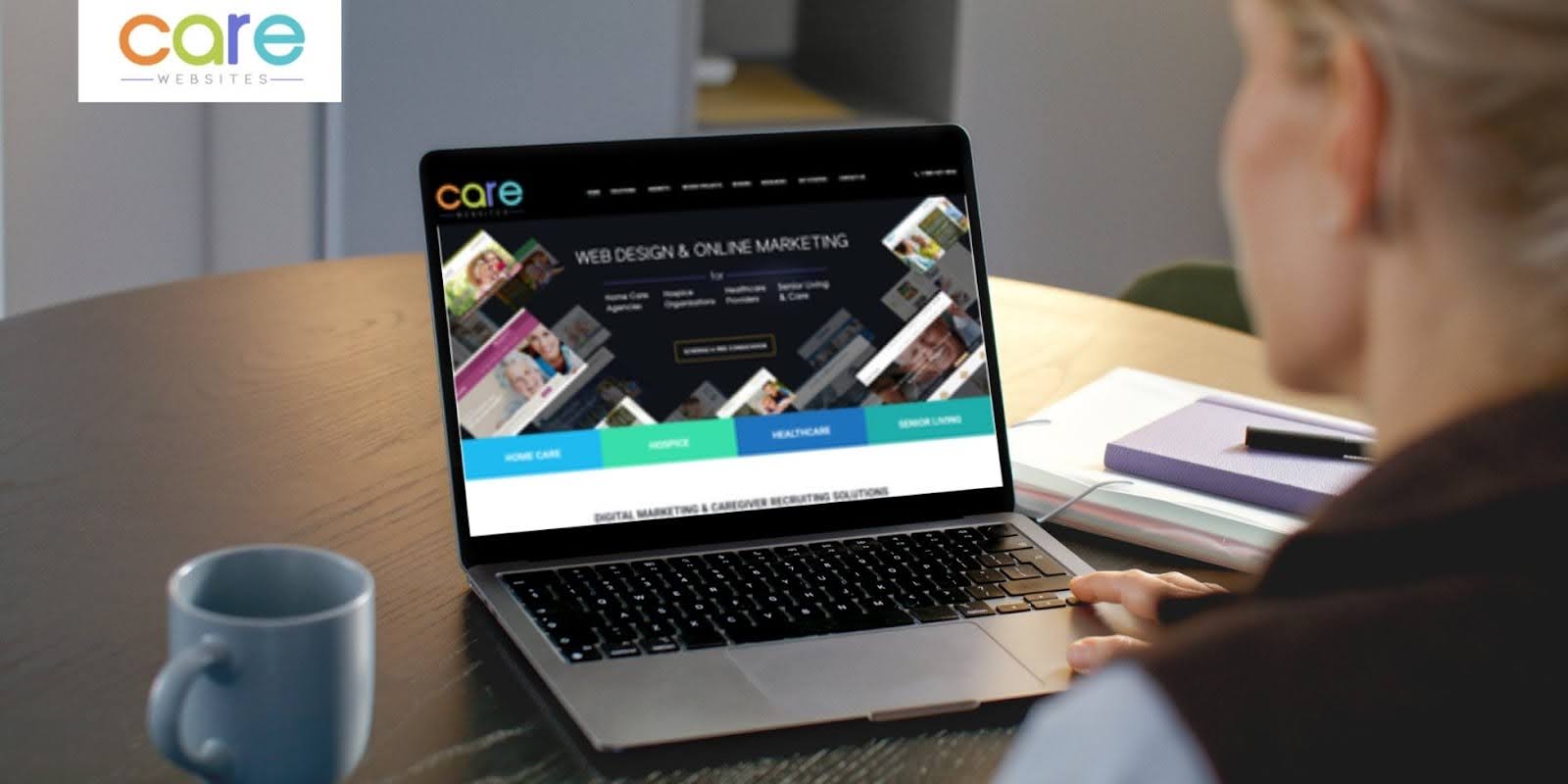
When it comes to home care websites, many agencies focus on showcasing their services, caregiver expertise, or client testimonials, but often overlook one of the most important elements for driving growth: a clear call to action. A website without direction may look great and provide useful information, but it can fail to generate meaningful leads for your home care or hospice agency.
Digital marketing and caregiver recruiting are growing fast. Home care, hospice, and healthcare providers need websites that do more than exist. They must engage potential clients and encourage them to take action. In addition, search engine optimization (SEO) plays a critical role in increasing visibility, but without a well-placed CTA, even high-ranking websites can lose potential clients.
Why Most Home Care Websites Fail to Convert Visitors
Many home care websites suffer from a common issue: they inform but don’t prompt action. Visitors may learn about services, read caregiver biographies, and review testimonials, yet leave the site without contacting the agency.
A clear call to action is what transforms passive website visits into inquiries, appointments, or applications. Without it, even a well-designed website cannot fully contribute to your business growth.
Some of the reasons websites fail to convert include:
- Focusing on information over action: Home care agencies often prioritize content about services or staff but neglect to guide visitors to the next step.
- Complicated guidance:: If a potential client struggles to find a contact form, consultation request page, or phone number, they may leave the site frustrated.
- Generic messaging: A website that doesn’t speak directly to the needs of the local community or client demographics can feel impersonal and fail to motivate action.
- Poor mobile experience: Many users search for services on mobile devices, and sites that aren’t mobile-friendly can lose potential clients.
By addressing these issues and incorporating a clear, compelling CTA, your website can significantly improve lead generation and client acquisition.
How SEO Drives New Client Leads for Home Care Providers
Search engine optimization (SEO) is a key component of website marketing for home care and hospice providers. When done correctly, SEO ensures that your website appears in search results when potential clients are looking for local services such as “home health care near me” or “hospice care Cleveland Ohio.”
Here are some key statistics highlighting the importance of SEO:
- 94% of consumers use the internet to search for services, including home care.
- Over 70% of prospective clients hire the first agency they contact after searching online.
- 88% of internet searches have local intent, meaning users are seeking services in a specific geographic area.
SEO does more than increase traffic; it attracts visitors with genuine interest in your services. When paired with a clear CTA, these visitors are far more likely to convert into clients, making your website an active tool for caregiver recruiting and new client lead generation.
Common Home Care Website Mistakes That Reduce Conversions
Even with SEO and high-quality content, many home care websites fail to convert visitors into clients. Common mistakes include:
- Lack of visibility for CTAs: If buttons or forms are hidden, visitors may never know how to take action.
- Overly technical language: Using industry jargon without explaining it can confuse or alienate families seeking care.
- Long, complex forms: Complicated contact or application forms discourage engagement.
- Poor local targeting: Not incorporating location-based content can reduce your chances of appearing in local searches.
- Inconsistent messaging: If different pages of the site give conflicting messages about services or benefits, users may lose trust.
Correcting these errors ensures that your website not only informs but also encourages visitors to engage with your agency, which is essential for digital marketing success in the home care industry.
Key Elements of an Effective Call to Action
A strong CTA is more than a button or a link; it’s a clear signal that guides visitors toward the next step. Here’s how to make your CTA effective:
- Use action-oriented language: Words like “Schedule a Care Consultation” or “Request a Caregiver Visit Today” create urgency and clarity.
- Make it highly visible: Place CTAs on the homepage, service pages, blog posts, and at the end of content where visitors are ready to take action.
- Keep forms simple and user-friendly: Only ask for essential information to reduce friction.
- Leverage local relevance: Including city or region names helps attract clients searching with local intent.
- Combine CTAs with trust-building elements: Adding testimonials, ratings, or staff highlights near CTAs can increase conversions.
By following these strategies, your home care website can turn visitors into meaningful client leads.
How Website Marketing Supports Caregiver Recruiting and Client Acquisition
A strong website marketing strategy benefits both new client generation and caregiver recruitment. For agencies looking to expand staff and client services, a well-designed website can:
- Increase visibility for prospective clients and caregivers alike
- Highlight available services, staff expertise, and community impact
- Simplify applications and contact requests through clear CTAs
- Position your agency as a trustworthy, reliable provider in the local community
In this way, a single website becomes a hub for both digital marketing and recruitment efforts, helping agencies grow efficiently.
Examples of Calls to Action for Home Care Websites
Here are practical examples of CTAs that can improve engagement:
- “Schedule Your Free Consultation Today” – Encourages immediate contact and provides a sense of value.
- “Request a Caregiver Visit” – Directs visitors toward scheduling a service.
- “Contact Us for Personalized Care Options” – Offers a personal connection and local relevance.
- “Learn About Our Local Hospice Services” – Combines education with actionable guidance.
Even small changes, like button color, size, and placement, can significantly impact conversion rates. Pairing these CTAs with SEO-optimized pages ensures visitors are both finding and acting on your content.
How Local SEO Amplifies Call to Action Effectiveness
Incorporating local SEO elements strengthens the impact of CTAs by connecting with nearby families actively seeking care. This includes:
- Using location-specific keywords (e.g., “home health care Cleveland Ohio”)
- Including maps, addresses, and local testimonials
- Creating content that addresses community-specific concerns and needs
When prospective clients find your website through a local search, a clear CTA ensures they know exactly how to engage, turning clicks into meaningful inquiries.
Take Action Today With Care Websites
Your home care website can do more than provide information it can actively grow your client base. If your website currently lacks a visible, compelling call to action, it’s time to act. Care Websites specializes in helping agencies implement effective CTAs, optimize local SEO, and generate targeted traffic for new client leads.
By updating your website with clear action steps, you can maximize engagement, improve conversions, and ensure that your agency reaches families in need of care. Don’t let potential clients leave without contacting you. Enhance your website CTA today with Care Websites.
Frequently Asked Questions
1. Why is a call to action important for home care websites?
A CTA provides clear guidance for visitors, encouraging them to take the next step, whether that’s contacting your agency, scheduling a consultation, or applying for caregiver opportunities.
2. Can SEO alone generate new clients for home care agencies?
While SEO improves visibility, without a strong call to action, visitors may leave without engaging. Both SEO and clear CTAs are essential for converting traffic into leads.
3. Where should CTAs be placed on a home care website?
CTAs should be featured on the homepage, service pages, blog posts, and any content where visitors may be ready to take action. Repetition in strategic locations improves conversions.
4. What makes a call to action effective?
Effective CTAs are clear, concise, actionable, and easy for visitors to complete. They should stand out visually and be paired with supportive content such as testimonials or location-specific information.
5. How does local SEO help improve website conversions?
Local SEO ensures your website appears in searches for services within your area, connecting with families who are ready to take action. A clear CTA on these pages turns visitors into clients.